
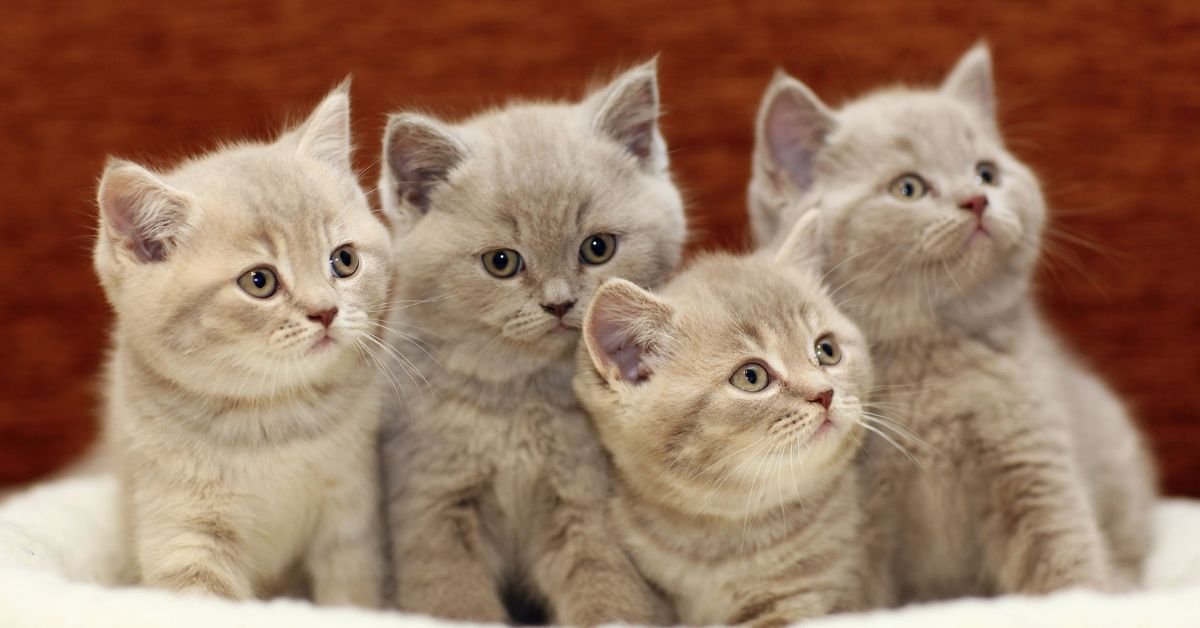
Right now, somewhere in the UK, a person has typed “British Shorthair kittens for sale near me” or “Siamese breeder Hampshire” into Google. They are a serious buyer with money ready. They are looking at the results that appear and deciding which breeders to contact. Some breeders appear in those results. Most do not. The ones who do not exist as far as that buyer is concerned.
I have been building cattery websites since 2004 and I am a Full GCCF Judge. I am also an SEO consultant. When I explain to breeders why some websites attract a steady stream of enquiries from buyers they have never met before, the answer is always the same: those websites appear when buyers search. Their websites do not. This article explains why that happens, in plain English, without technical jargon.
What Google is actually doing when someone searches
When someone types a search into Google, Google looks at every website it knows about and decides which ones are most likely to answer that person’s specific question. It does this based on the words on the page, how those words are used, how the page is structured, and various signals about whether the page is trustworthy and relevant.
A cattery website that mentions the breed name, the location, and specific terms buyers use — words like “kittens”, “available”, “GCCF registered” — in the right places gives Google clear signals about what the site is and who it is for. A cattery website that is essentially a collection of photos with very little text, or that uses only the cattery name without mentioning the breed prominently, gives Google almost nothing to work with.
Google cannot look at a beautiful photo of a lilac British Shorthair and know what breed it is. It can read text that says “lilac British Shorthair kitten, available from a GCCF-registered breeder in Hampshire.” The difference between those two things is the difference between appearing in search results and not appearing.
The specific searches buyers use
The most common search patterns for buyers looking for a specific pedigree kitten follow predictable forms. They almost always include the breed name. They often include a location — county, region, or “near me.” They frequently include words like “kittens”, “breeder”, or “for sale.”
Some examples of searches that real buyers make:
- British Shorthair kittens for sale Hampshire
- Siamese breeder near me
- GCCF registered Ragdoll breeders UK
- Maine Coon kittens available 2025
- Bengal cat breeders Yorkshire
A cattery website that wants to appear for these searches needs to use these words. The breed name needs to appear prominently — in the page title, in the headings, in the opening paragraph of the main page. The location needs to be stated clearly. If the cattery is in Fareham, Hampshire, those words need to appear on the site. Google does not know where the cattery is unless the site says so.
Why most cattery websites do not appear in these searches
The most common reasons a cattery website does not appear in search results for kitten-related searches are not technical. They are content-related.
The website does not mention the breed name often enough, or in the right places. A site where the breed name appears once in the footer but not in any heading or opening paragraph is not signalling clearly to Google what the site is about.
The website does not mention the location. Many cattery websites say nothing about where the cattery is until the contact page, and sometimes not even then. Google uses location signals to match searches that include “near me” or a specific county. Without those signals, the site does not appear for location-based searches.
The website has very little text. A cattery site that is primarily a photo gallery with minimal writing gives Google very little to read. Google cannot rank a site well for a search it cannot confidently match to content on the site.
The website has not been indexed. Google has to find and read a website before it can include it in search results. A new or rarely visited website may not have been fully indexed. This is a technical issue but one that is easily addressed by submitting the site to Google’s Search Console.
What changes when a website is structured for search
A website that is structured with search in mind does not look different to a visitor. The photos are still there. The design is still attractive. The information about the cattery is still personal and genuine. What changes is the text around and beneath those elements.
The homepage opens with a sentence that names the breed and the location. The kittens page uses the words buyers actually search for. The individual cat profiles mention the breed name and the health tests relevant to the breed. The contact page states the county and region clearly.
None of this requires technical expertise. It requires thinking about the words a buyer would type into Google and making sure those words appear naturally on the relevant pages of the site. A cattery owner who knows their breed and their location has all the information they need — it just needs to be on the page in a form Google can read.
The kitten page is where most of the opportunity is
For most cattery websites, the kitten page is the page with the highest search potential and the most room for improvement. It is the page that answers the question buyers are most often asking: are kittens available, from what breed, where, and at what price?
A kitten page that is structured well — with the breed name in the heading, availability information updated regularly, location stated clearly, and enough descriptive text to give Google something to read — is the page most likely to appear when a buyer searches for kittens from that breed in that area.
A kitten page that says “kittens sometimes available, contact us” in a single line beneath a photo is not giving Google anything useful. It is unlikely to appear for any specific search.
How this connects to the enquiries you receive
A cattery website that appears in Google search results for breed-specific and location-specific searches attracts a different kind of enquiry from one that is found only through Facebook or word of mouth. The buyer who found the site through a Google search was looking for that specific breed in that specific area. They are further along in the decision process. They have already decided they want this breed. They are comparing breeders, not comparing breeds.
This is a meaningfully different starting point for a conversation. It is also a starting point that most breeders without a properly structured website never access, because the buyers who searched online found someone else.
If you would like your cattery website to be built with search in mind from the start, or if you have an existing site that you suspect is not appearing in search results, the cat breeders websites page explains what Cats Whiskers Web Designs provides and how to get in touch.
Frequently asked questions
What is SEO and why does it matter for a cattery website?
SEO stands for search engine optimisation — the practice of making a website more likely to appear in Google search results. For a cattery website, it matters because buyers searching for a specific breed in a specific location will find the breeders whose websites appear in those results and may never find the breeders whose websites do not. A website with good SEO attracts enquiries from buyers who were actively searching; a website without it is visible only to people who already know it exists.
Do I need to pay for Google advertising to appear in search results?
No. The results that appear at the top of a Google search page include both paid advertisements and unpaid organic results. A well-structured cattery website can appear in the organic results — which is free — without any advertising spend. Paid advertising can supplement this but is not required for a website to appear in search results.
Why doesn’t my cattery website appear when I search for my breed?
The most common reasons are that the breed name does not appear prominently enough in the text on the site, the location is not clearly stated, the site has very little written content for Google to read, or the site has not been submitted to Google and indexed. These are all addressable content and configuration issues, not technical problems requiring specialist expertise.
What words should appear on a cattery website for it to rank in Google?
The breed name, the location (county and region at minimum), words buyers use such as “kittens”, “available”, and “GCCF registered”, and the cattery’s specific details such as the prefix and health test information. These should appear naturally throughout the site, in headings, in opening paragraphs, and in descriptive text — not crammed in artificially. A page that reads naturally and uses relevant terms consistently is what Google is looking for.
How long does it take for a cattery website to appear in Google search results?
A new website submitted to Google typically begins appearing in search results within a few weeks, though ranking well for competitive terms takes longer. A website that has existed for several years with consistent, relevant content will rank better than a new one for the same terms. The longer a well-structured website has been live, the stronger its position in search results tends to be.
Can a Facebook page replace a website for appearing in Google searches?
No. Facebook pages do not appear in Google search results for location-specific kitten searches in any meaningful way. A buyer who searches “British Shorthair breeder Cheshire” on Google will find websites, not Facebook pages. A cattery that relies only on Facebook for its online presence is invisible to this search audience entirely.
Does it matter how often I update my cattery website for SEO?
Yes, to a degree. A website that is updated regularly — with new kitten availability, recent show results, health test renewals — signals to Google that the site is active and current. A site that has not been updated in two years may be ranked lower than an equivalent site that is kept current. For cattery websites, keeping kitten availability and cat profiles up to date is both good for buyers and beneficial for search rankings.